Appliance Hookup & Installation
in Atlantic Beach, Jacksonville Beaches and Jacksonville, FL
Code-compliant water supply and drain line connections for washing machines, dishwashers, ice makers, and garbage disposals.
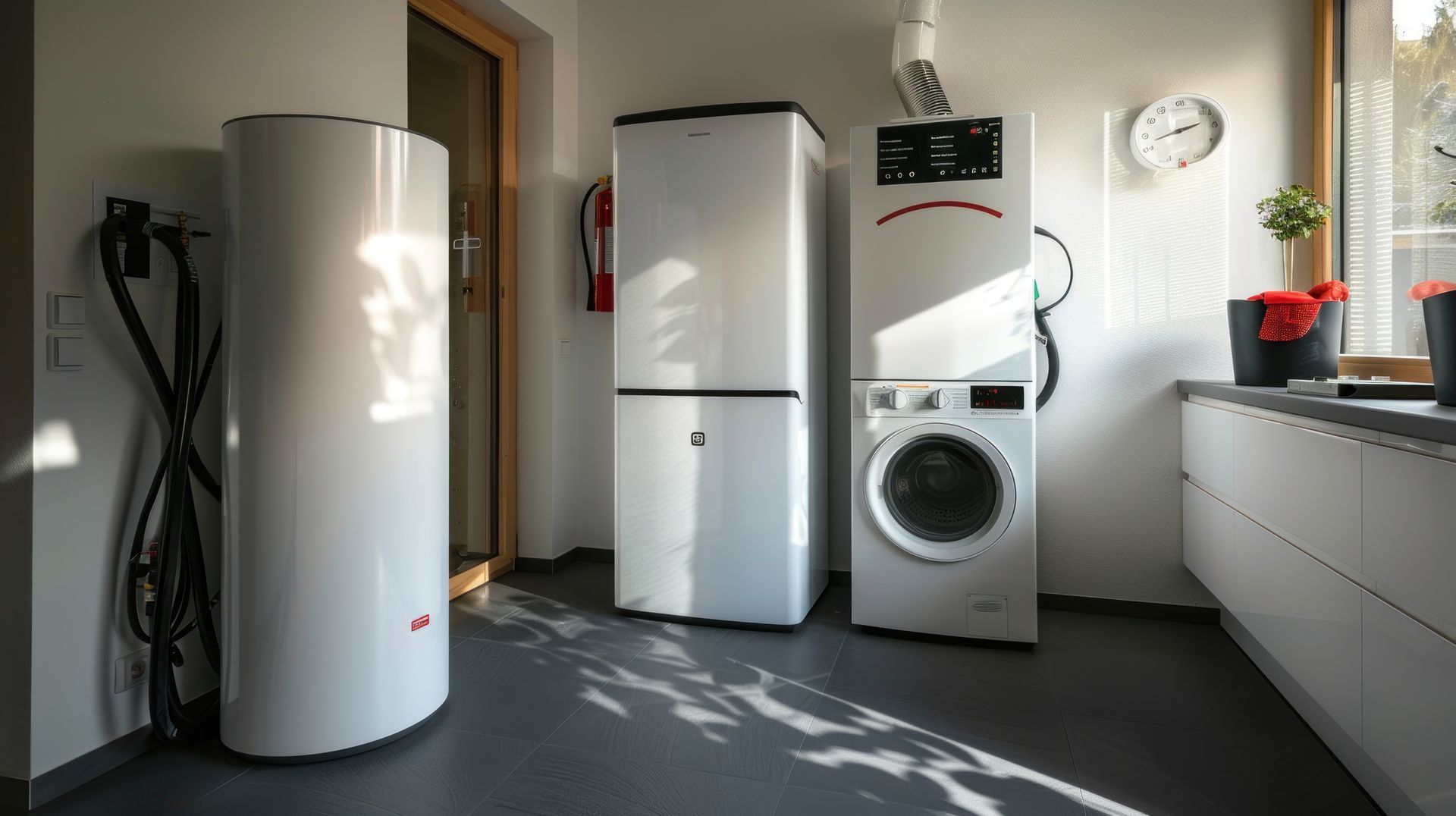
Safe, Leak-Free Plumbing Connections for Home Appliances
Modern household appliances rely on proper water pressure and precise drain routing to perform correctly and prevent costly indoor flooding. Installing a new washing machine, kitchen disposal, or refrigerator ice maker requires secure, pressure-tested connections. Mr. Mac's Plumbing brings over 25 years of local master trade expertise to every appliance hookup. Our state-licensed plumbers (CFC1426765) ensure all valves, flex lines, and waste drains adhere strictly to Florida building codes.
Our Appliance Installation Services
Kitchen Appliance Connections
Complete supply line installation, dedicated air gap fittings, and high-torque disposal mounting to keep kitchen cleanup efficient.
Ice Maker & Water Lines
Installation of durable copper or braided stainless steel supply lines and quarter-turn shut-off valves for ice makers and water dispensers.
Washing Machine Connections
Dedicated hot and cold hose valve replacements, drain standpipe installations, and laundry box setups for modern clothes washers.
Common Signs Your Appliance Lines Need Professional Service
- Dampness or standing water accumulation underneath or behind your dishwasher
- Refrigerator ice maker producing small, misshapen ice cubes or filling slowly
- Slow-draining or foul-smelling water backing up into kitchen sink basins
- Vibrating or banging noises coming from supply lines when appliances cycle on
- Washing machine supply hoses showing signs of bulges, cracking, or corrosion
- Garbage disposal unit making hums without turning or leaking from lower seals
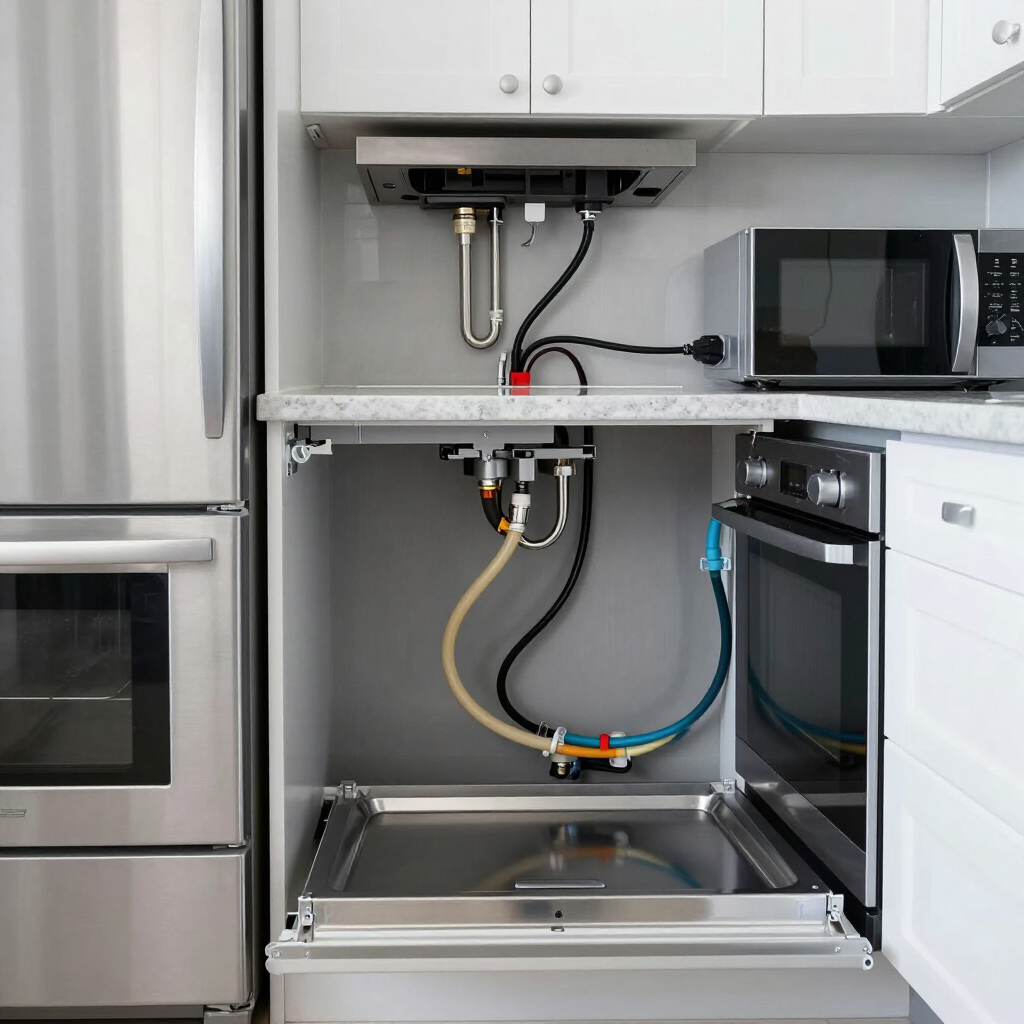
Protect Your Cabinetry and Subfloors From Slow Leaks
Appliance supply lines operate under continuous municipal water pressure. Cheap plastic lines or improperly seated drain connections can fail without warning, causing extensive damage to hardwood floors, subfloors, and adjacent cabinetry. Professional plumbing hookups eliminate leak risks and ensure seamless long-term appliance operation.
Appliance Installation FAQs
Why is a professional plumber recommended for dishwasher installations?
Dishwashers require precise water line pressure connections, dedicated high-loop or air-gap drain routing to prevent dirty sink water from back-siphoning into clean dishes, and leak-tested supply fittings.
What type of water supply line is best for refrigerator ice makers?
We recommend braided stainless steel or solid copper tubing over flexible plastic lines. Stainless steel and copper offer superior burst resistance, withstand coastal environmental conditions, and prevent accidental line punctures behind appliances.
Do I need a special shut-off valve for my washing machine lines?
Yes, installing accessible quarter-turn ball valves in a dedicated laundry supply box allows you to isolate water flow quickly, protecting your home if a supply hose degrades over time.
Can you connect a new garbage disposal to an existing sink drain?
Yes, we route new disposal units directly into existing sink drain stacks, verifying proper P-trap slope and securing power cable strain reliefs to ensure quiet, leak-free performance.
Why does my dishwasher leave standing water in the bottom of the tub?
Standing water is usually caused by a kinked drain hose, a clogged drain air gap, or an improper connection to your garbage disposal inlet plug. Our plumbers quickly isolate and resolve drain line restrictions.
Do appliance installations require local permits in Atlantic Beach?
Standard appliance line replacements and hookups to existing plumbing infrastructure do not typically require separate building permits, but all work must comply strictly with Florida Plumbing Code standards.