Water Softener Services in Atlantic Beach, Jacksonville Beaches and Jacksonville, FL
High-efficiency water softening installations engineered to eliminate hard water scale, protect fixtures, and extend appliance lifespans.
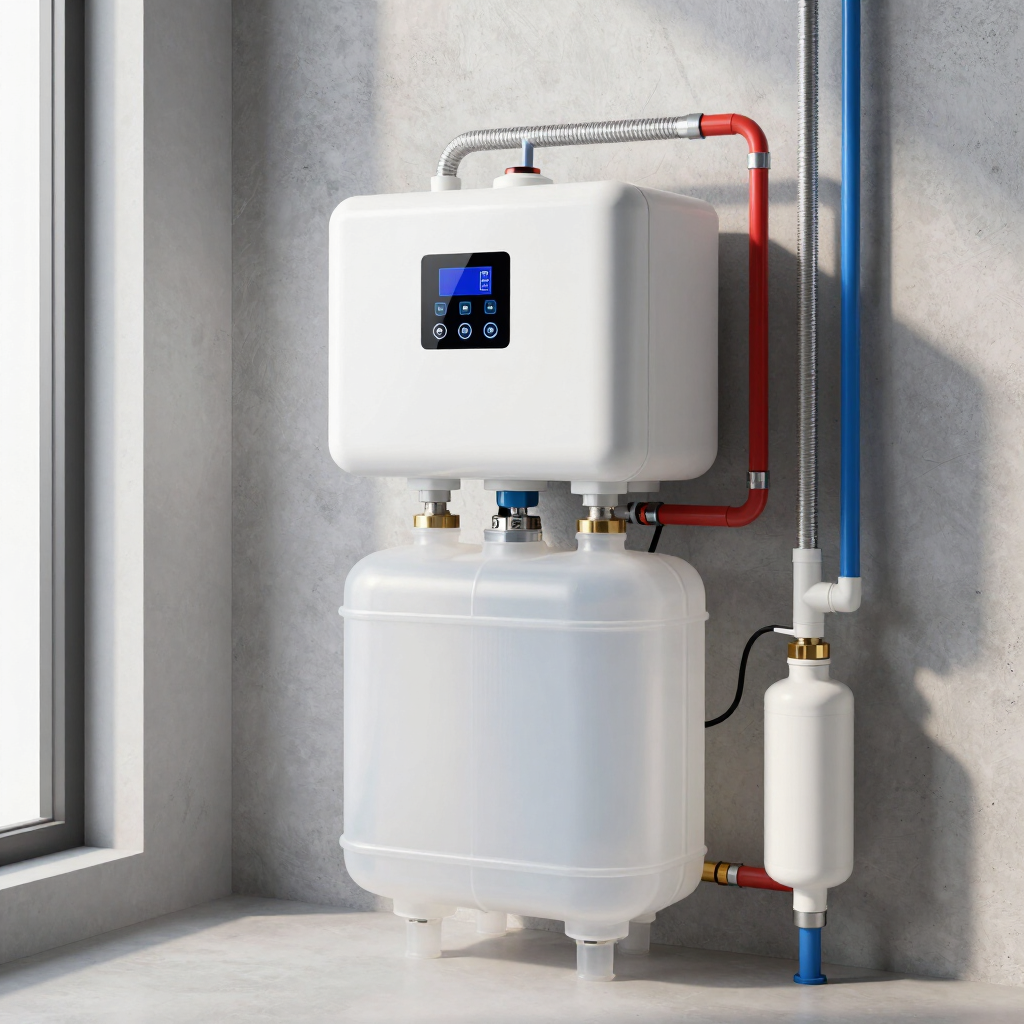
Protect Your Home Piping and Fixtures From Hard Water Damage
Groundwater and municipal supply in North Florida frequently contain high concentrations of dissolved calcium and magnesium. Left untreated, these hard minerals create stubborn limescale deposits that clog pipe interiors, ruin fixture finishes, and destroy water heater heating elements. Mr. Mac's Plumbing brings 25 years of local coastal trade experience to every system setup. Our state-licensed team (CFC1426765) installs high-efficiency water softeners tailored specifically to your home's water hardness levels.
Our Water Softener Services
Ion-Exchange Water Softeners
High-capacity resin softeners that swap harsh calcium and magnesium ions for sodium ions, providing soft water across your entire property.
Salt-Free Scale Prevention
Modern template-assisted crystallization (TAC) systems that neutralize hard minerals without salt reloads or wastewater discharge.
Maintenance & Valve Tuning
Routine control valve calibration, resin bed cleaning, and bypass valve servicing to keep your softening system operating at peak efficiency.
Common Signs Your Home Has Hard Water
- White, chalky limescale deposits forming on faucets, showerheads, and glass enclosure doors
- Soap scum buildup on bathtub walls that proves difficult to remove with standard cleaners
- Soaps, shampoos, and laundry detergents failing to lather or rinse away cleanly
- Laundered clothes feeling stiff, rough, or showing premature fabric wear and color fading
- Dishes and glassware coming out of the dishwasher covered in cloudy, chalky film
- Water heaters suffering from frequent element burnouts and reduced heating efficiency
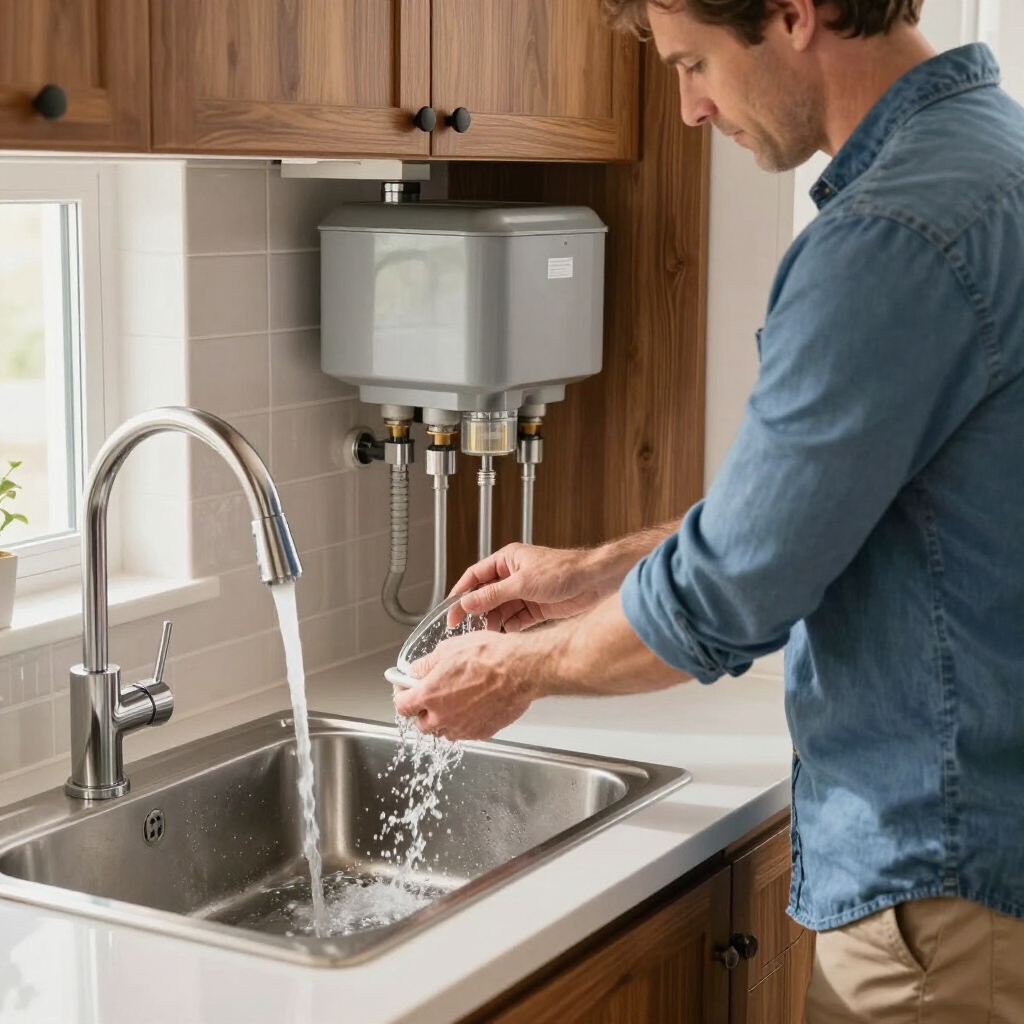
Stop Limescale Before It Chokes Your Plumbing Lines
Dissolved minerals continuously bake onto interior pipe walls and inside hot water tanks. Over time, scale accumulation narrows line diameters, restricts water pressure, and forces appliances to consume significantly more energy to operate.
Water Softener FAQs
How does hard water affect my home's water heater?
Hard water minerals precipitate out of solution when heated, settling at the bottom of tank water heaters or coating heating elements in tankless models. This creates an insulating scale barrier that lowers heating efficiency and leads to premature element failure.
What is the difference between a salt-based softener and a salt-free conditioner?
Salt-based softeners physically remove hard minerals from the water using ion-exchange resin. Salt-free conditioners alter the structural form of the minerals so they cannot stick to pipe walls or fixtures, though the minerals remain present in the water.
How often do I need to add salt to my water softener brine tank?
Most households add a bag of salt to the brine tank every 4 to 8 weeks, depending on household water consumption rates and the hardness grain level of your municipal supply.
Will softened water feel slippery on my skin?
Softened water removes the mineral scum that prevents soap from rinsing away cleanly. The smooth feel on your skin after showering is actually your skin's natural oils, free from sticky soap curd residue.
Can a water softener be installed outdoors in Atlantic Beach?
While softeners are preferably installed in protected indoor spaces like garages or utility rooms, outdoor installations are possible when equipped with weather-resistant covers and protected from direct ground moisture.
Do water softeners require dedicated drain lines for regeneration?
Yes, traditional salt-based softeners require a code-compliant drain connection with a proper air gap to discharge the brine solution during automated regeneration cycles.