Drain Cleaning & Maintenance Services in Atlantic Beach, Jacksonville Beaches and Jacksonville, FL
Professional drain clearing, main sewer line inspections, and routine line maintenance to keep waste systems flowing smoothly.
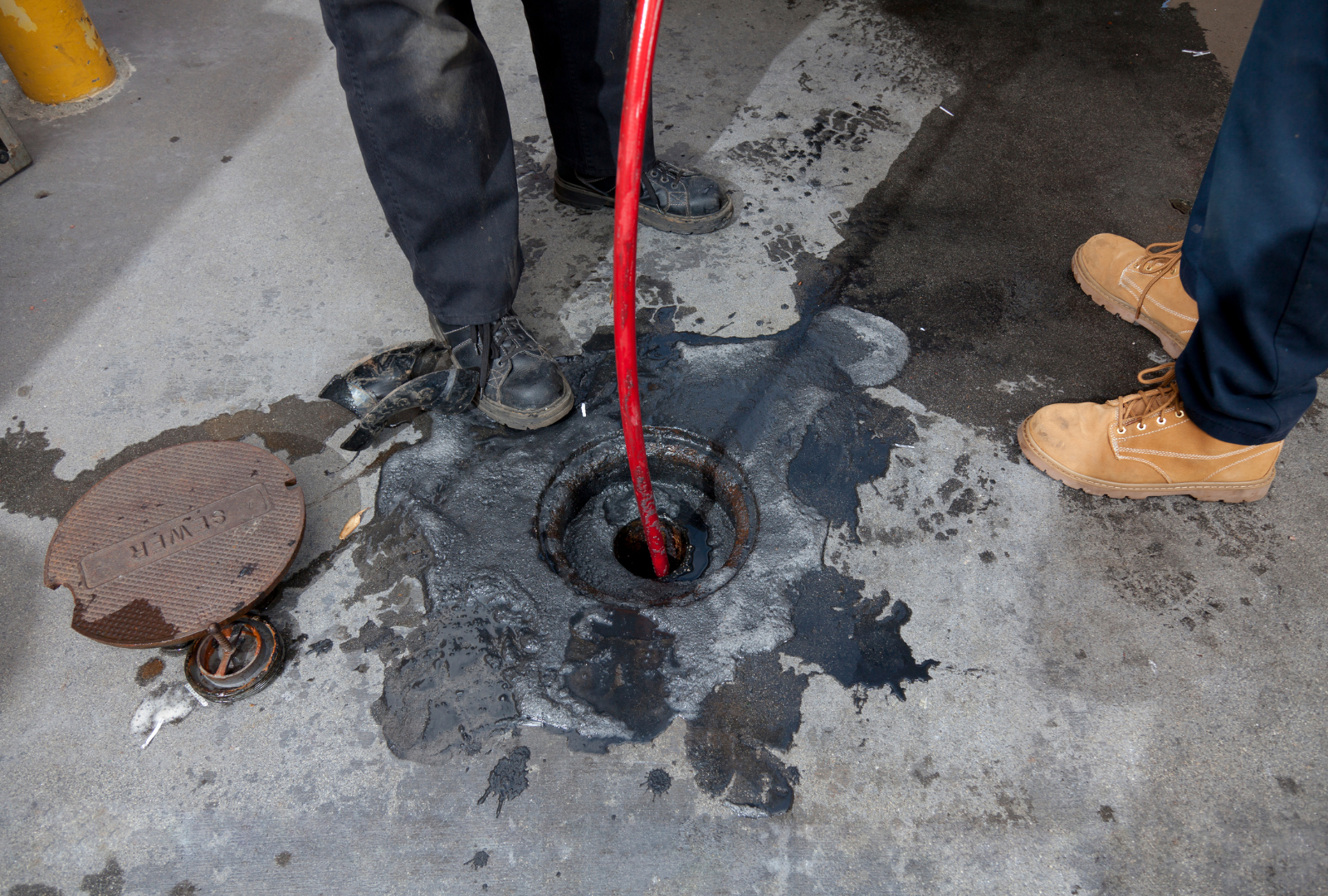
Dependable Drain Cleaning and Sewer Line Care
Clogged sinks, backing-up shower drains, and sluggish main sewer lines disrupt your entire household or business operations. Mr. Mac's Plumbing offers comprehensive drain clearing and diagnostic line maintenance engineered to eliminate recurring blockages. Backed by 25 years of local coastal trade expertise, our team removes stubborn grease, scale, and organic buildup to restore maximum system flow without damaging your property's underlying piping infrastructure.
Our Drain Services
Mechanical Drain Clearing
Heavy-duty drain snake and auger line clearing to clear stubborn blockages in kitchen sinks, bath vanities, and shower drains.
Camera Line Diagnostics
High-definition video camera inspections inserted directly into cleanouts to locate hidden pipe sags, structural cracks, or line blockages.
Routine System Maintenance
Scheduled drain line clearing and grease stack maintenance to prevent catastrophic waste backups in residential and commercial properties.
Common Signs Your Drains Need Professional Care
- Water pooling around your feet while taking a routine shower
- Gurgling or bubbling sounds coming from toilet bowls when sinks drain
- Foul, unpleasant odors emerging from kitchen or bathroom drain openings
- Multiple plumbing fixtures draining slowly across the property at the same time
- Frequent overflows or water rising in basement or ground-floor floor drains
- Fruit flies or drain flies congregating around sinks and laundry tubs
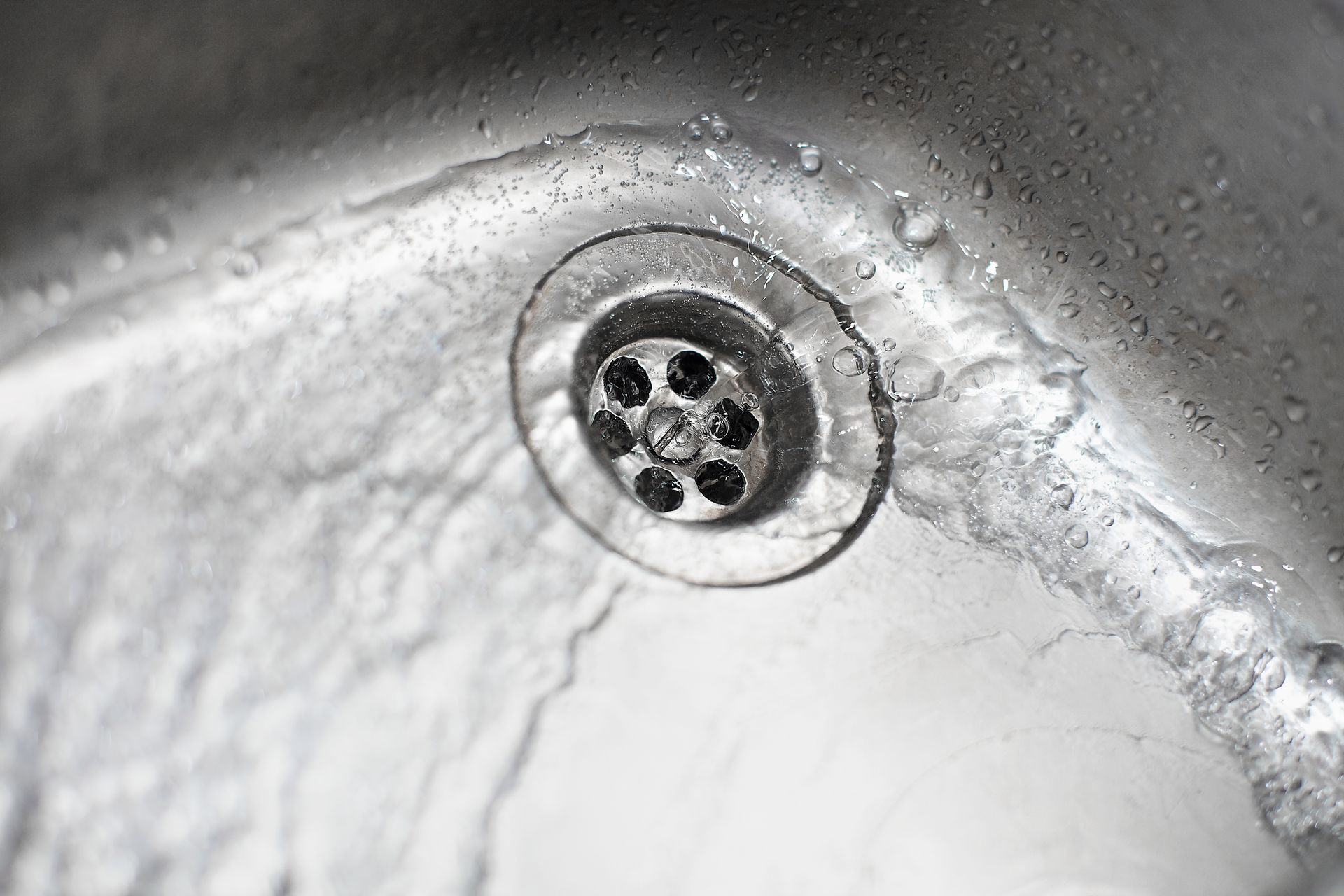
Stop Blockages Before They Cause Backups
Ignoring slow drains allows grease, soap scum, and mineral scale to accumulate until total line blockage occurs. Routine line clearing and professional video inspection keep waste moving freely, protecting subfloors and interior spaces from sewage overflows.
Drain Services FAQs
Why are my home drains running slow in multiple rooms?
When multiple drains slow down simultaneously, the blockage is usually located in your property's main sewer line or primary waste stack rather than individual branch lines. Professional camera inspection can pinpoint the exact cause.
Are chemical drain cleaners safe for my home piping?
Over-the-counter chemical drain cleaners contain harsh caustic agents that generate heat, which can warp PVC pipes, corrode metal joints, and fail to clear heavy obstructions. Mechanical drain clearing is far safer and more effective.
How does a drain camera inspection work?
We feed a flexible, waterproof optic camera through an exterior or interior cleanout access point. Real-time video footage displays pipe interiors, allowing us to inspect pipe connections and pinpoint blockages accurately.
What causes grease blockages in kitchen drains?
Cooking oils and animal fats poured down kitchen sinks solidify as they cool inside underground pipes, catching food particles and creating dense blockages. Regular drain cleaning breaks down these stubborn grease buildups.
How often should commercial properties schedule drain maintenance?
Commercial properties and food service facilities should schedule routine drain inspections and line clearings every 6 to 12 months to prevent grease accumulation and business disruptions.
What is a drain cleanout and where is it located?
A drain cleanout is a capped pipe fitting connected to your main waste line that provides direct access for maintenance equipment. It is typically located along exterior foundation walls or near ground level outside your home.